About NeuroSkill
- Home
- About





NeuroSkill was founded in 2019 by a group of data and platform engineers who kept being called in to rescue AI projects that had stalled somewhere between the demo and the day job. The pattern was always the same: a model that worked in a notebook, a business process nobody had redesigned around it, and a team that had never been shown how to use it. We built the practice to fix both halves at once — the system and the capability to run it.

We only start building once the data, the reviewers and the success measure are in place. It is why 94% of what we pilot is still running a year later.

Every engagement ends with runbooks, a model card, a monitoring dashboard and a trained internal owner. No dependency on us by design.
Projects Delivered
Specialists On Staff
People Trained
Client Organisations
We staff engineers and enablement leads on the same team, working to the same delivery plan. The model and the people who depend on it mature together, so nothing is left stranded at go-live.






Two weeks mapping your data, your decisions and your risk appetite. You leave with a scored shortlist and a sequenced roadmap.
Eight to sixteen weeks building the model, the pipeline and the guardrails, deployed inside your environment and wired into the systems you already run.
Role-based training runs alongside delivery. By go-live your own people hold the runbook, the dashboard and the on-call rota.


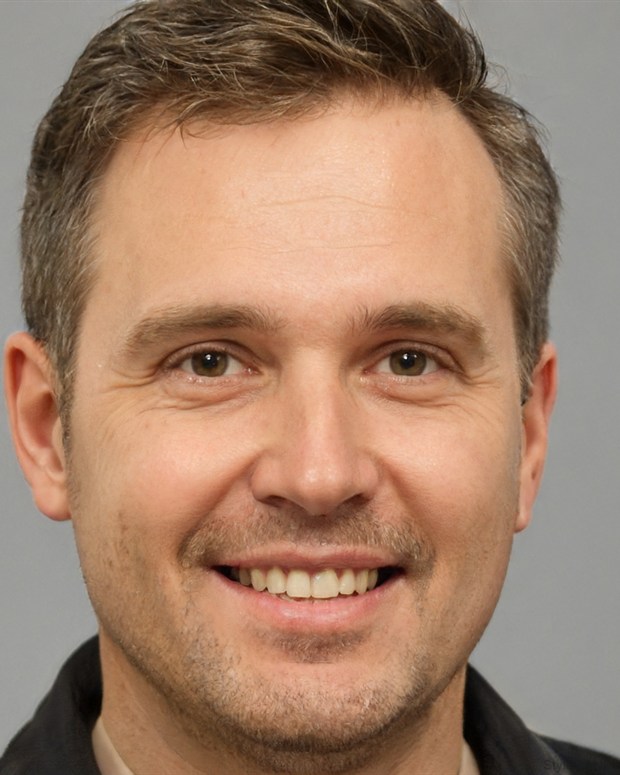
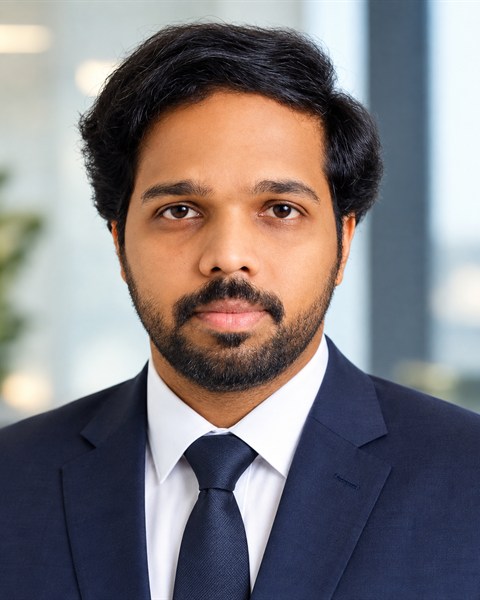
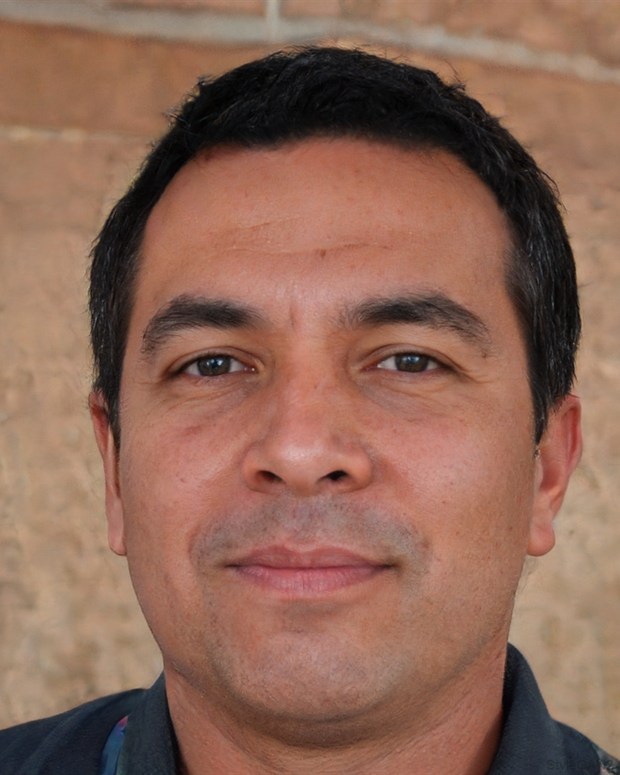

Yasmeen founded NeuroSkill on a straightforward conviction: most organisations do not need more AI pilots, they need the capability to decide which ones deserve to exist. She spent eleven years leading data and analytics functions inside insurance and logistics operators before starting the firm, and she still sits in every readiness review personally.
She takes the first conversation with every new client, and she is the person who will tell you when the answer is that you should not be doing this with AI at all.
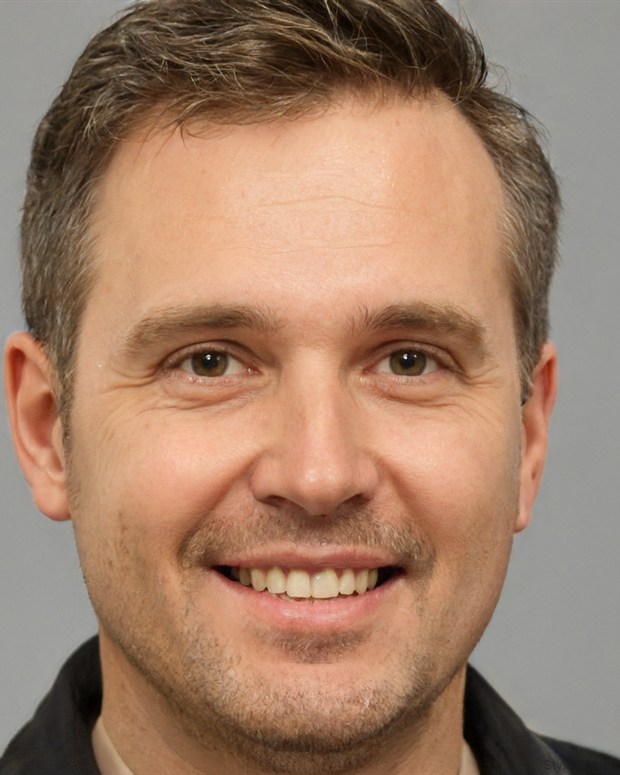
Sam owns the engineering standard every NeuroSkill system is held to. He came from platform engineering in regulated environments, where the cost of a system nobody can explain is measured in enforcement action rather than embarrassment, and that shaped how he builds.
He is responsible for the architecture review that every engagement passes before a line of production code is written, and for the handover standard that means clients can run what we built without us.
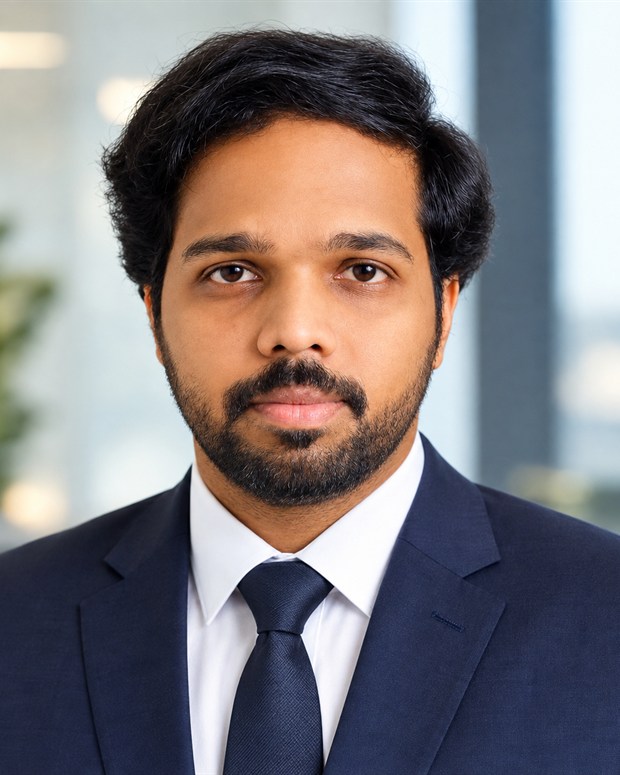
Ali runs delivery. Every engagement has a named team, a fixed scope, a date and a person accountable for it, and that is his doing. He built his career in programme management across manufacturing and financial services, where a slipped date has consequences that reach the shop floor.
He is the escalation point for any client who feels an engagement is drifting, and he would much rather hear about it in week three than week twelve.
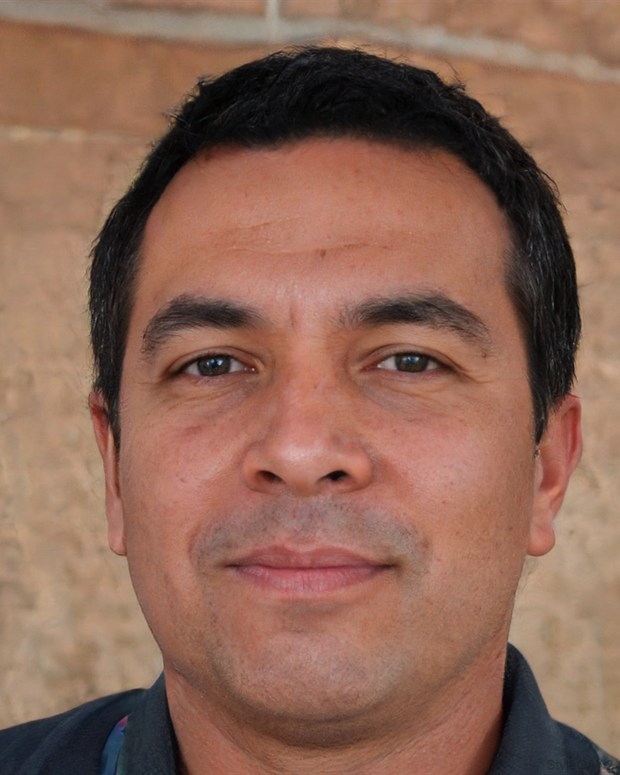
Mohsin keeps the commercial side of NeuroSkill honest. He designed the firm’s fixed-scope pricing model specifically so that an engagement cannot quietly become more expensive the longer it runs, which is the failure mode he watched repeatedly as a finance director in professional services.
He builds the business case alongside the client’s own finance function, and he publishes the assumptions behind it so they can be argued with.



A trained person inside your organisation who owns the system after we leave.

Written record of what the model does, where it fails, and who reviewed it.

Drift detection and alerting your team reads, not a dashboard nobody opens.

Every input, output and override logged and reportable to your regulator.
“We had two failed AI pilots behind us before NeuroSkill. They refused to start building until our data and our reviewers were ready. Submission triage now runs in hours, and our own team maintains it.”

“The forecasting model was the easy part. What changed our operation was the six weeks they spent with our depot planners, turning the output into something those planners would act on.”

“Clinical safety, information governance and a sceptical medical board — they handled all three without us having to translate. The documentation alone justified the engagement.”

“Three thousand four hundred people, nine months, and a measurable competency baseline at the end of it. Their enablement team knows the difference between training and theatre.”